

The Four Cardinal Rules of Firearms
Whatever type of firearm you own, it’s essential that you always follow these cardinal rules of gun safety.
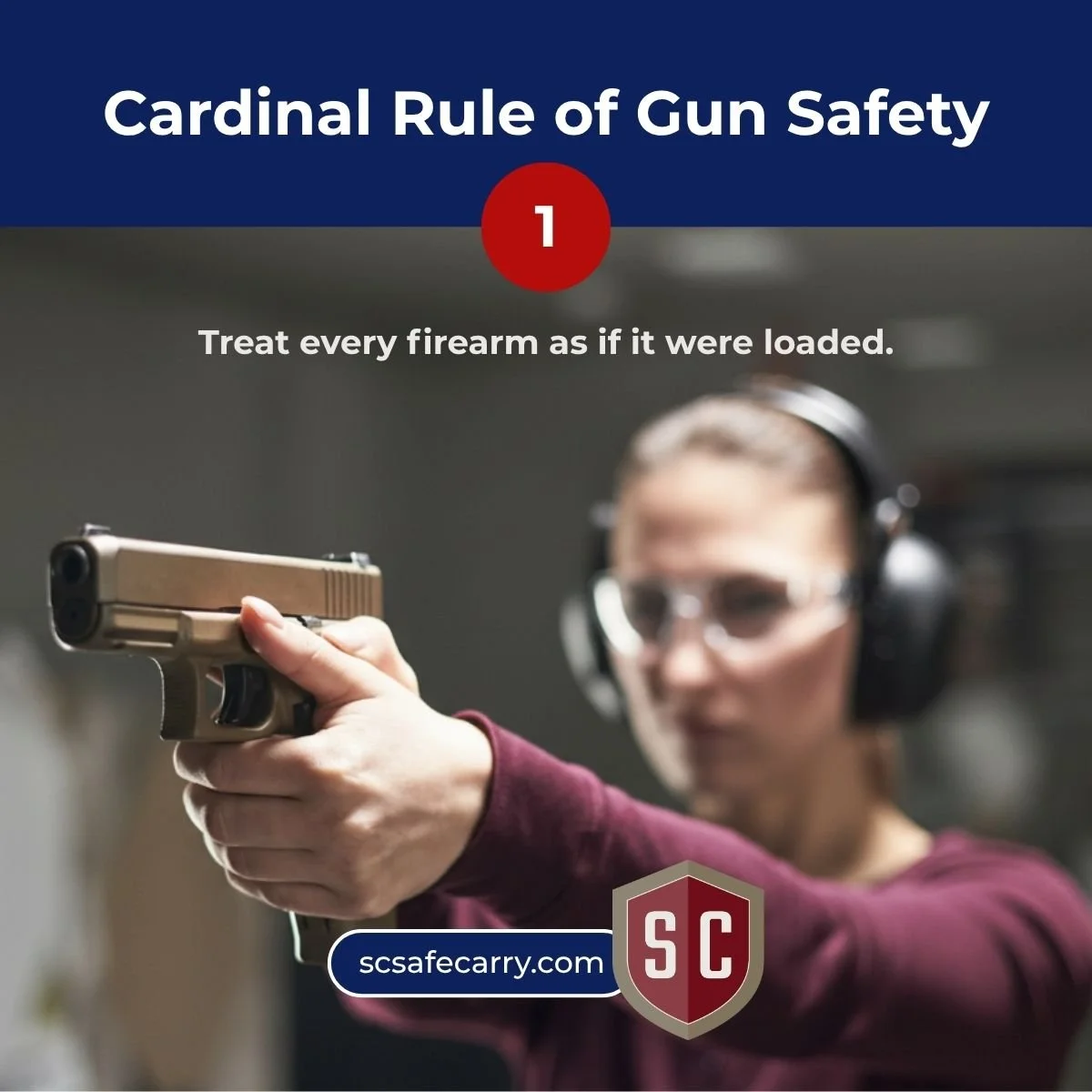
Treat every firearm as if it were loaded.
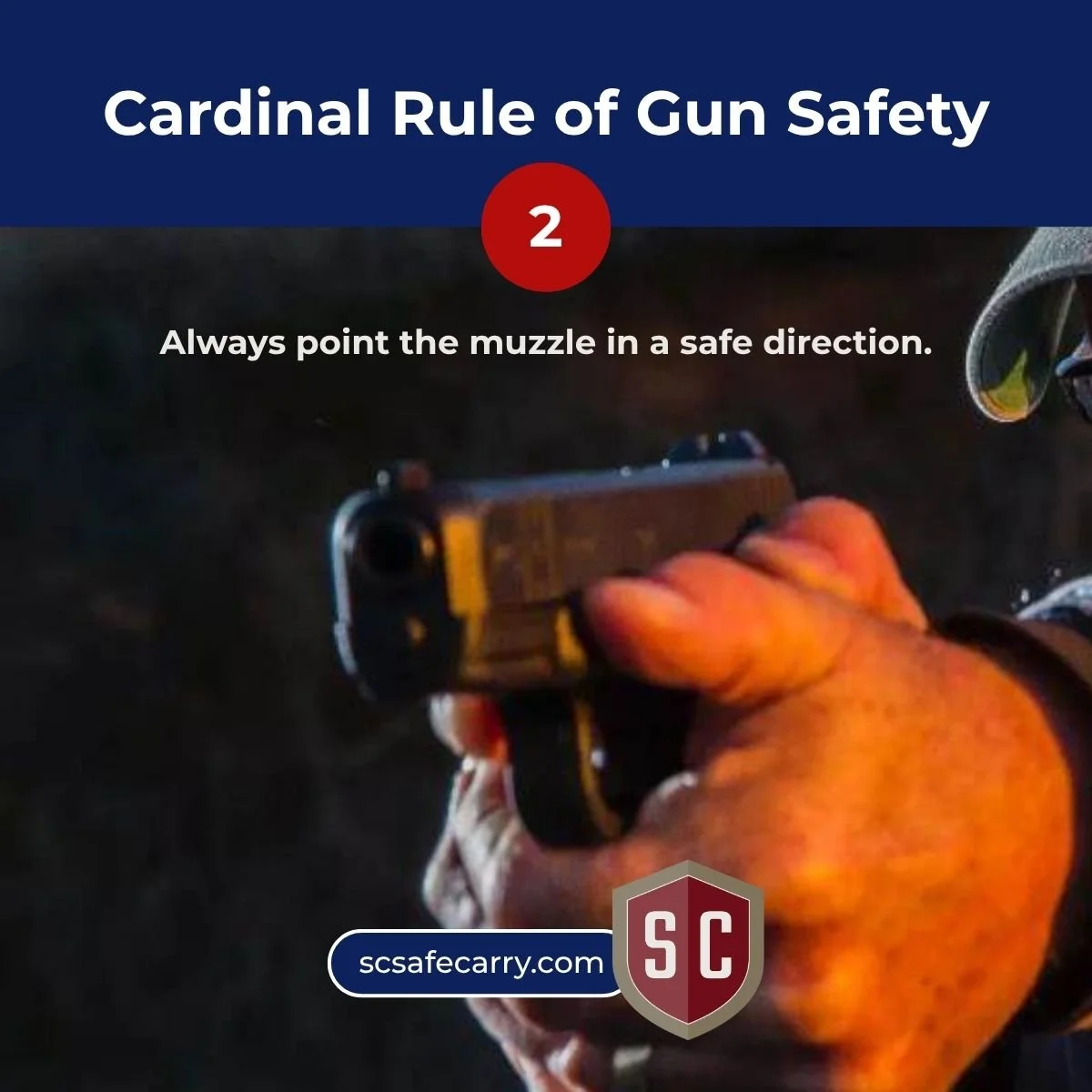
Always point the muzzle in a safe direction.
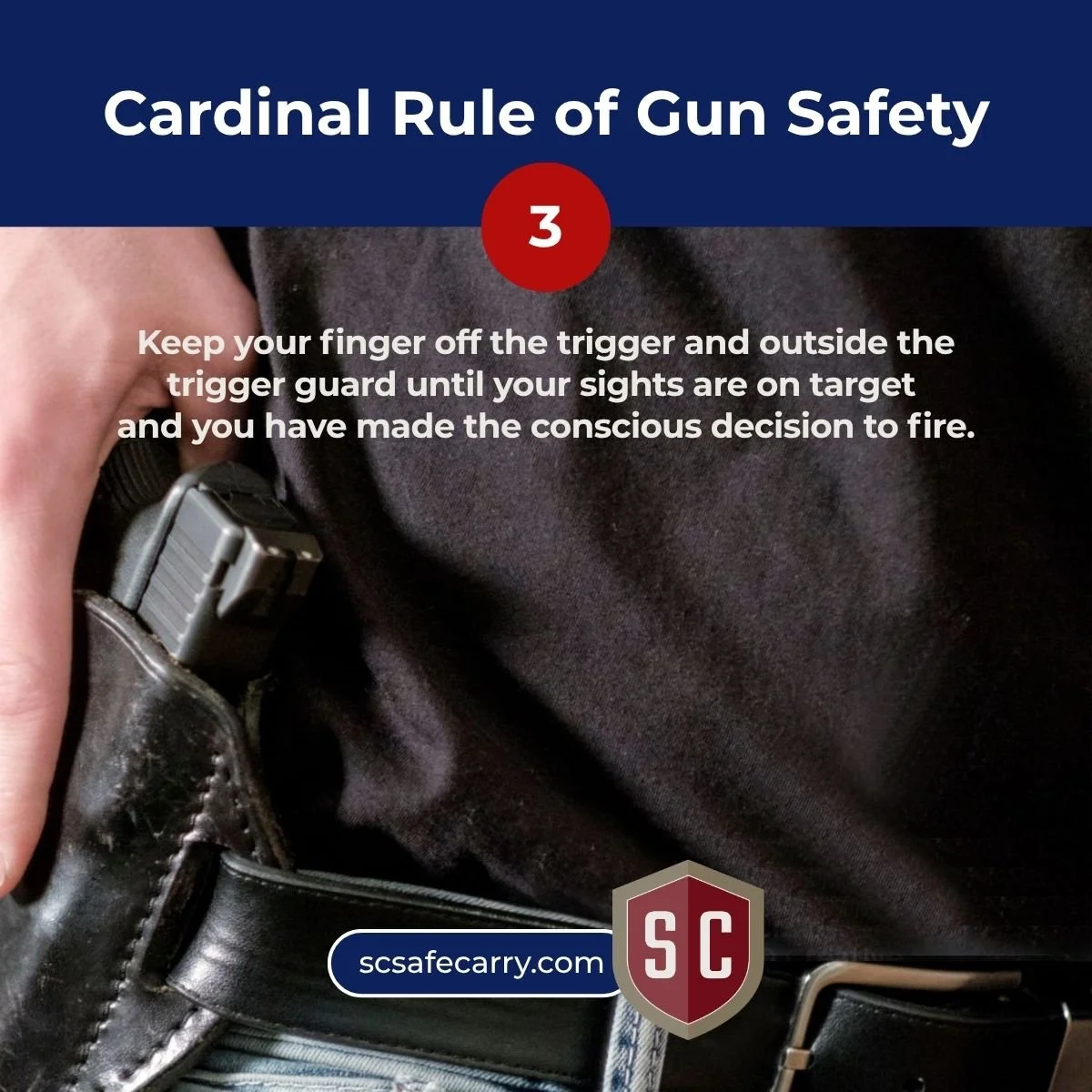
Keep your finger off the trigger and outside the trigger guard until your sights are on target and you have made the conscious decision to fire.
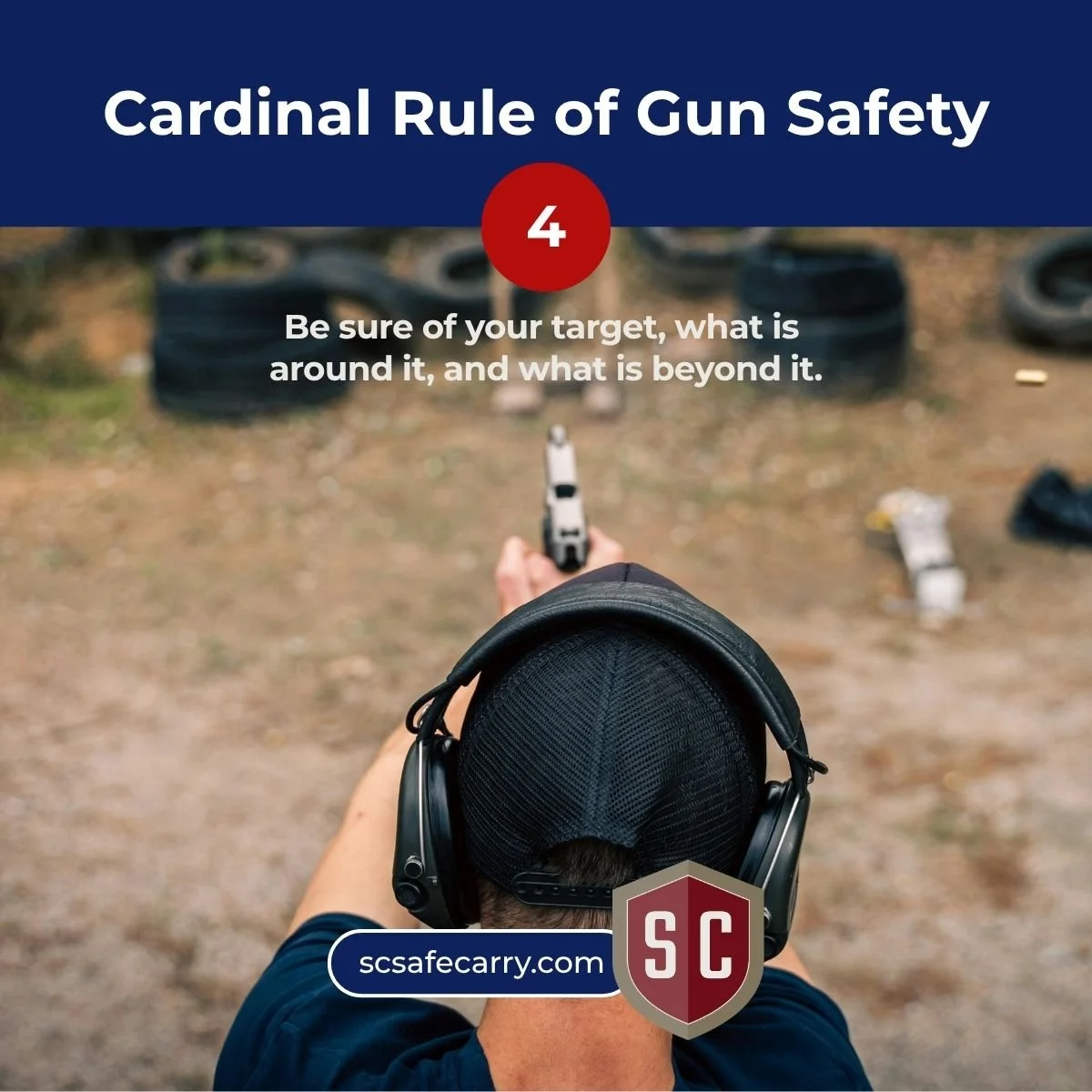
Be sure of your target, what is around it, and what is beyond it.
Frequently Asked Questions
-
Buying a handgun is a personal choice; however, you should find a handgun that you are comfortable with. If you’re not comfortable with it, then you won’t practice with it or carry it. It is important that you can fully operate the firearm (load, unload, clean, etc.). Do your research, talk with an instructor or someone at the firearms range, and purchase a quality firearm that fits you and your purpose (i.e., if you're going to carry on your body, buying a full-size handgun might not work to conceal).
-
What really matters is accuracy. Remember, the higher the caliber, the more the firearm will “kick”. So you will need to find something that works for you. The most common calibers for self defense handguns are .380, .38, 9mm, .40, .45.
-
It doesn’t matter if you carry OWB or IWB. What matters is that you practice the way that you carry. Become proficient with your firearm. And if you are carrying it in the waistband to keep it concealed, make sure the firearm isn’t so large that it is visible.
-
Yes. It doesn’t matter what gun you use for the CWP class. The CWP allows you to carry a gun, and it’s not specific to any one firearm.
-
Going to the range once a month is an excellent start! However, Dry Fire practice is an excellent tool. You don’t need any ammo, and you can do it in your home. There are numerous resources online that can help you develop a Dry Fire routine. The first and most important step is always to remove the magazine or source of ammunition and make sure the gun isn’t loaded before dry firing.
-
If you have previously been convicted of a violent crime under SC Code 16-23-20, you cannot possess a firearm under the law. This includes residing in the same residence as a person who can lawfully possess a firearm and already has one in the home, even if they are the one who owns it.
-
If you have a firearm you no longer wish to have, you can take it to your local police department and surrender the firearm to them where they will properly dispose of it.
Watch more…
Ready to Learn More?
SCSafeCarry.com is a great place to learn about the basics of gun safety.
Taking the entire online course will teach you about firearm best practices, laws around gun ownership and more.
The in-person Safe Carry course will allow you to ask questions to a certified instructor and get your hands on sample safes.
For in-person training that includes time on a range with a certified instructor, you can sign up for a full Concealed Weapons Permit (CWP) course.
All of these options are provided for free by the State of South Carolina.